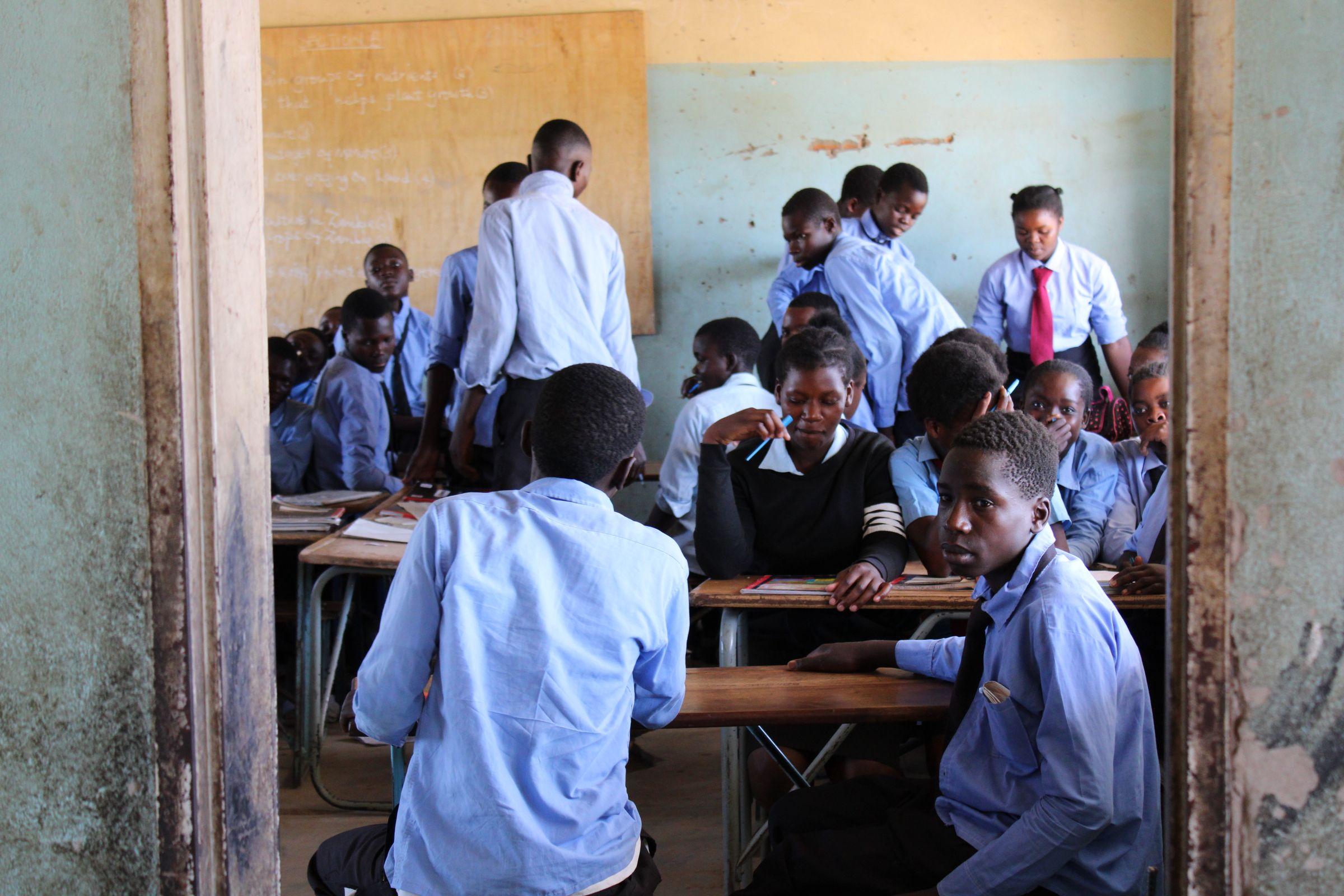
Enrolled, but offline.
Without a device, data or digital skills, much of modern learning, and many applications for what comes next, stay out of reach. We help learners prepare for a digital world.
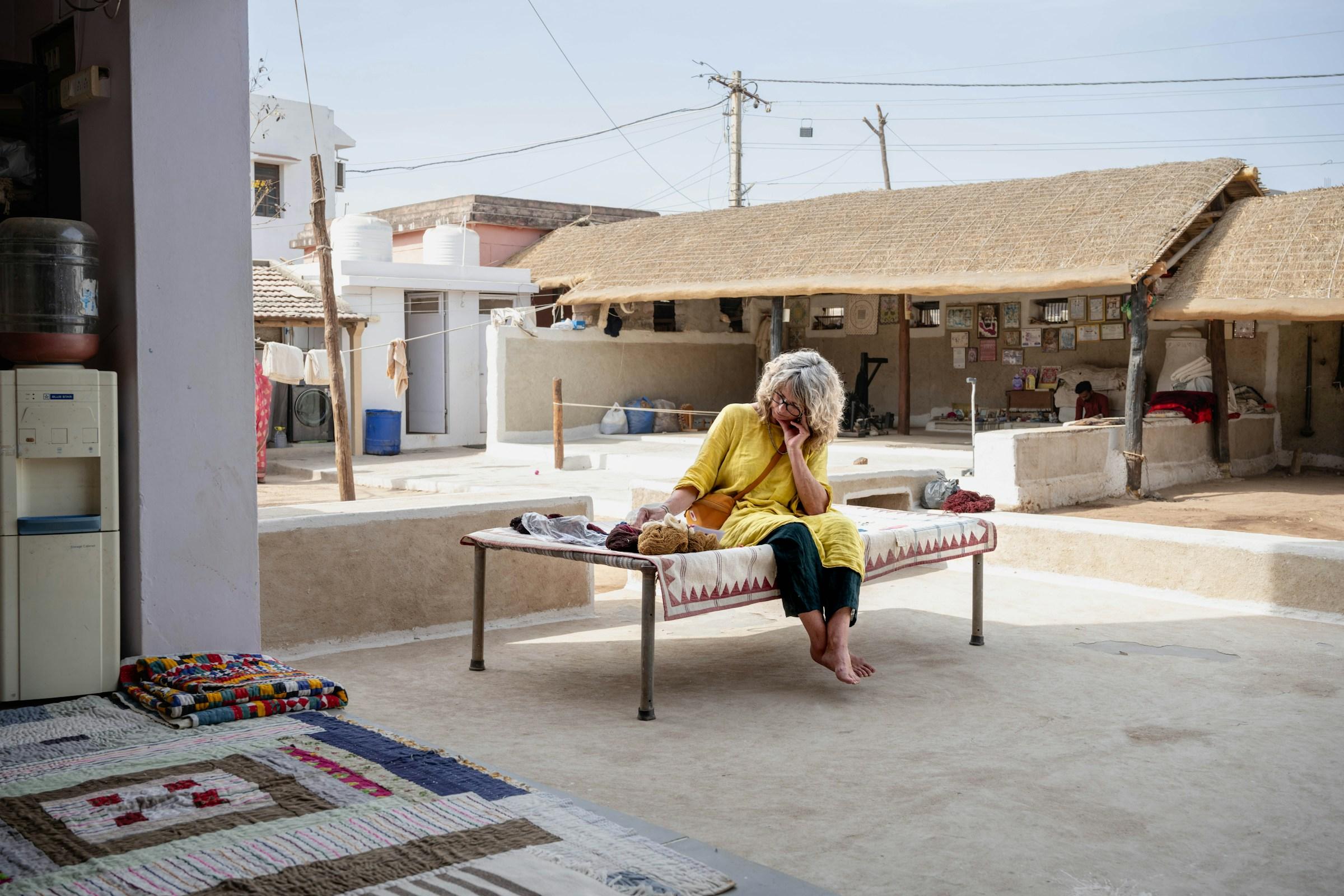
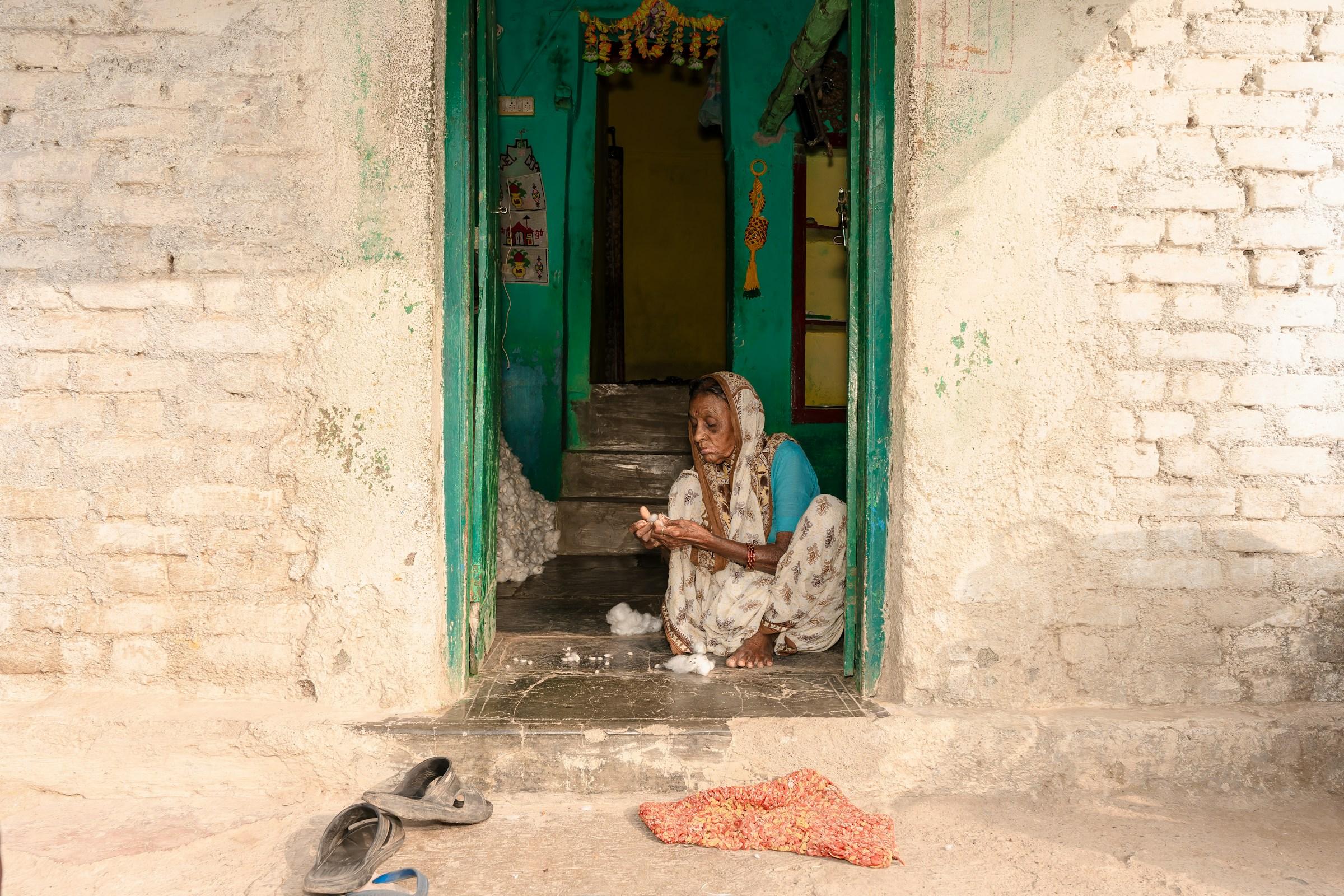

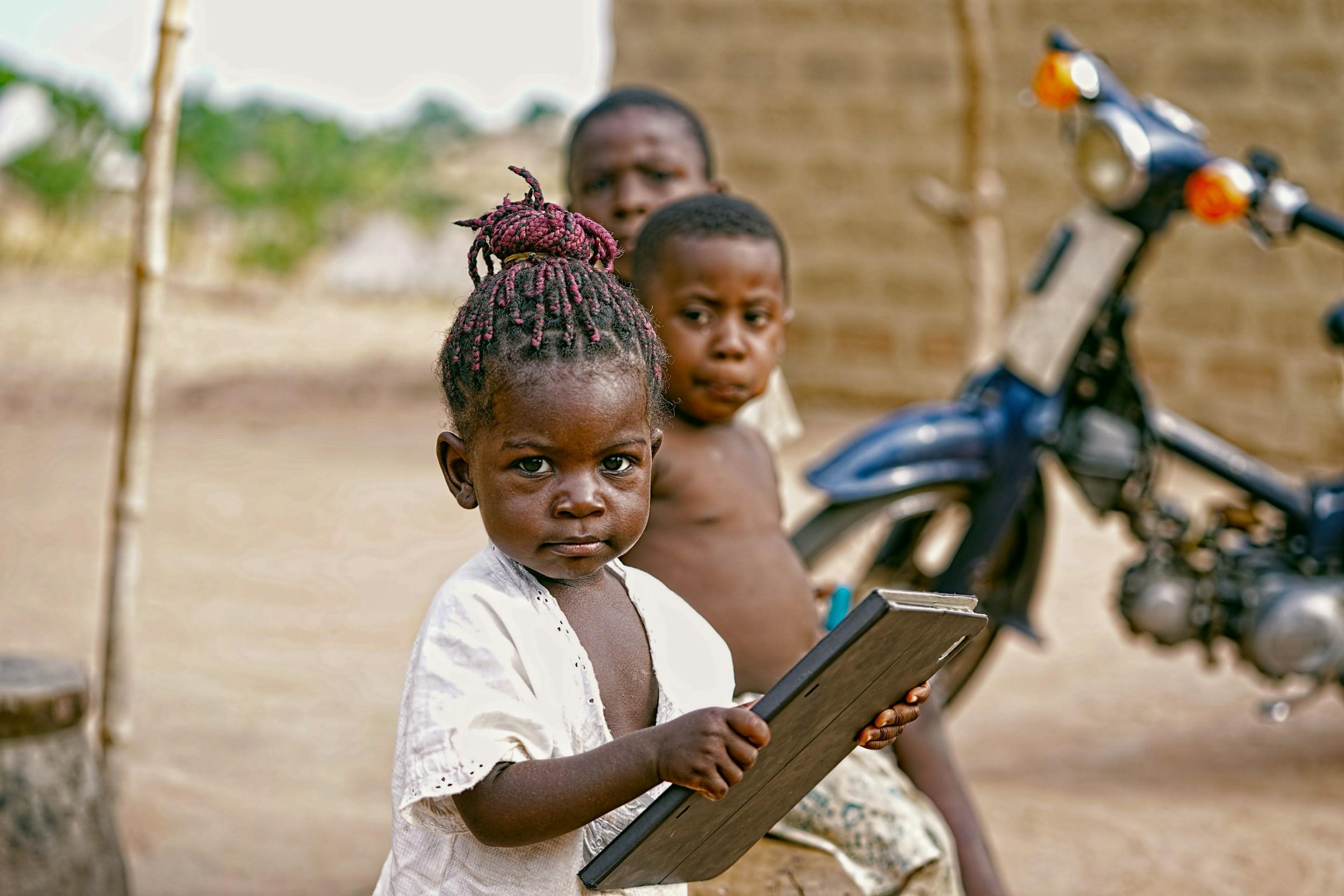
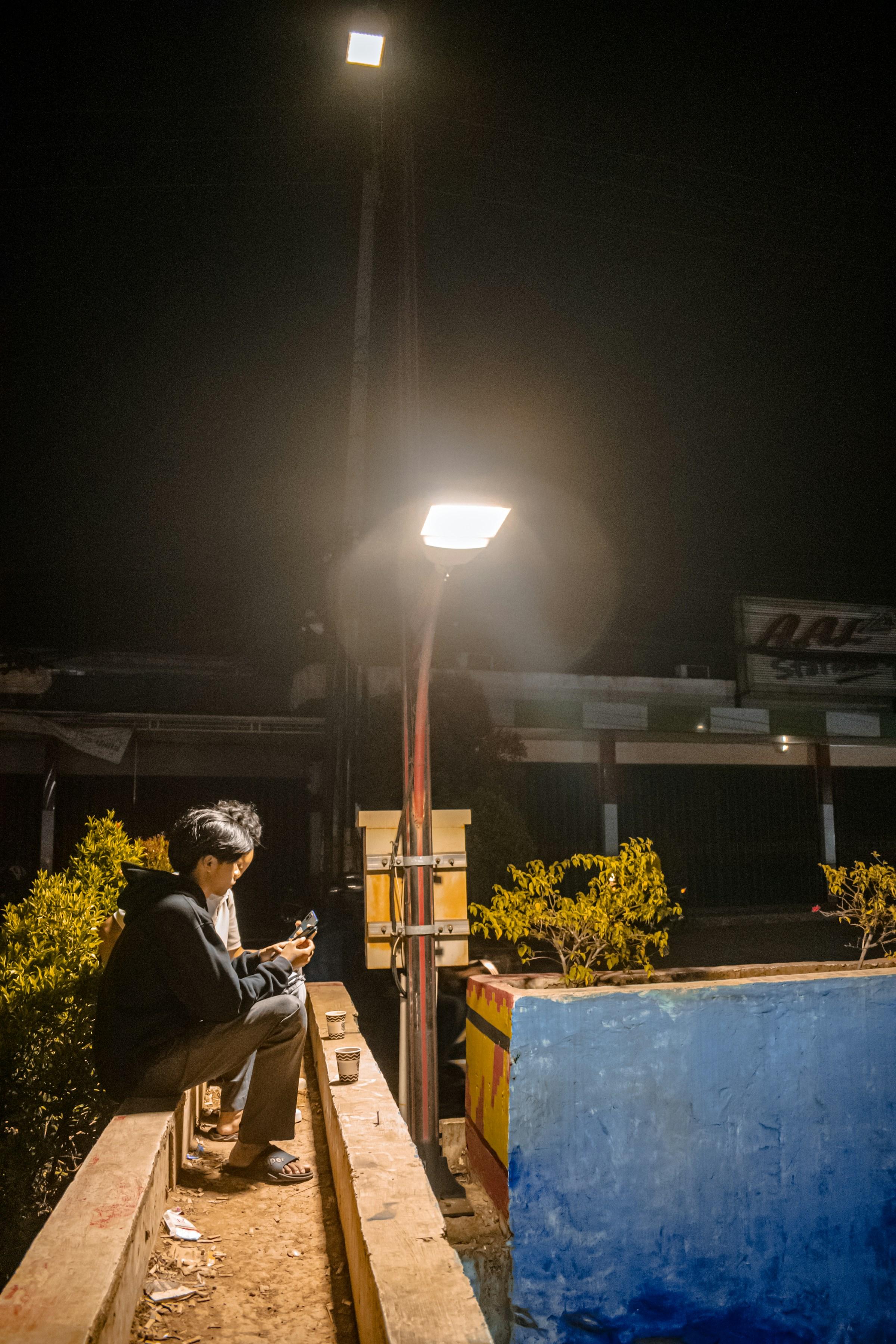
Her teacher posts the revision notes online every Friday. She reads them on her mother’s phone when she can: after her mother gets home, and only if there is data left that month.
The digital divide follows the income divide.
of children and young people had home internet in low-income versus high-income countries in 2020. Access has likely improved since; this is the most recent global estimate we could verify.
UNICEF and ITU, How Many Children and Young People Have Internet Access at Home?
students worldwide had schooling disrupted by extreme climate events in 2024. That is when learning beyond the classroom matters most.
Building skills for brighter futures
Access on its own is not enough. We pair devices and connectivity with the skills and resources to use them well.
Digital literacy
The essential skills for learning and life online.
Computer and technology skills
Confident, practical use of everyday tools.
Coding and programming
Creativity and problem-solving through code.
STEM education
Science, technology, engineering and math learning.
Online learning
Flexible learning beyond the classroom walls.
Digital learning resources
Accessible, quality content and tools.
Career readiness
Digital skills that open doors to work.
Technology access
Devices and connectivity where they’re missing.
Give learners the tools to grow
Support access to digital skills, technology and learning.